

.png)
By Khedroob Thondup
For decades, Tibet’s advocates have pursued a seemingly moderate goal: genuine autonomy within China rather than outright independence. The argument appears reasonable. If Beijing insists that Tibet is part of China, then surely it could permit Tibetans meaningful control over their culture, religion, language, education, and local governance.
The problem is that this vision rests on a fundamental misunderstanding of how the Chinese state views Tibet.
The evidence of the past several decades suggests that Beijing has not merely failed to grant genuine autonomy. It has consciously, consistently, and deliberately refused to do so. And after years of failed appeals, negotiations, and proposals, continuing to ask for genuine autonomy increasingly resembles barking up the wrong tree.
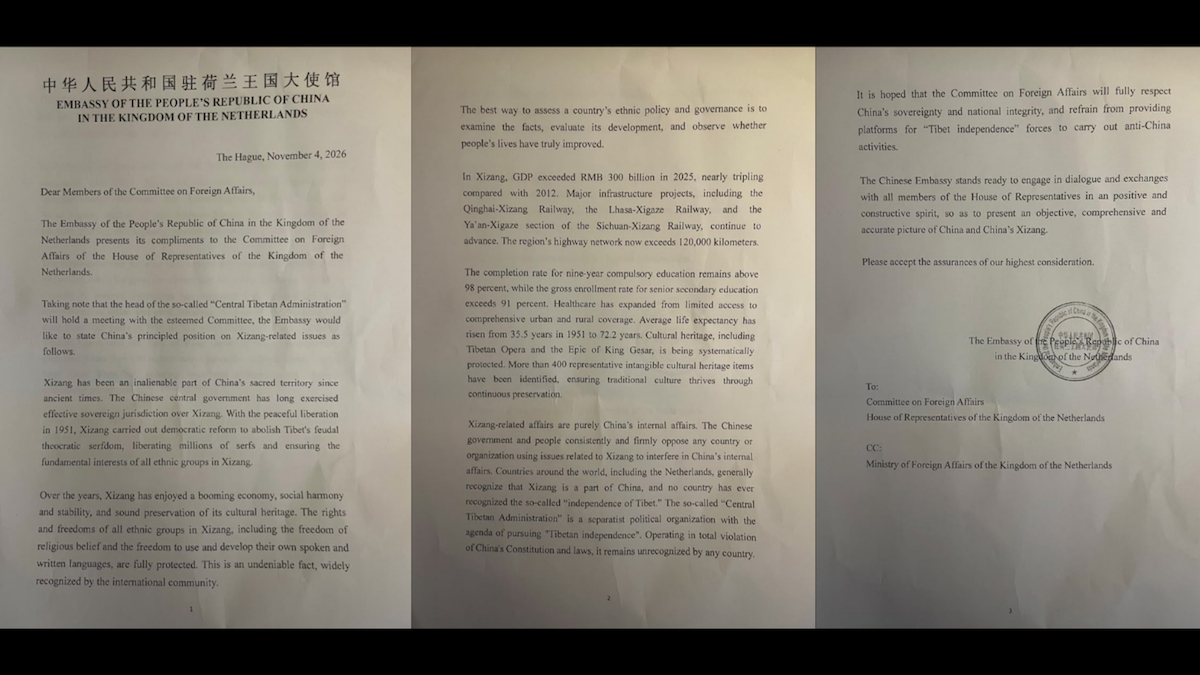
China officially maintains that Tibet already enjoys autonomy through the system of “regional eth...





 (1).jpg)
 (1).jpg)
 (1).jpg)
 (1).jpg)