

.png)
by Lopsang Gurung
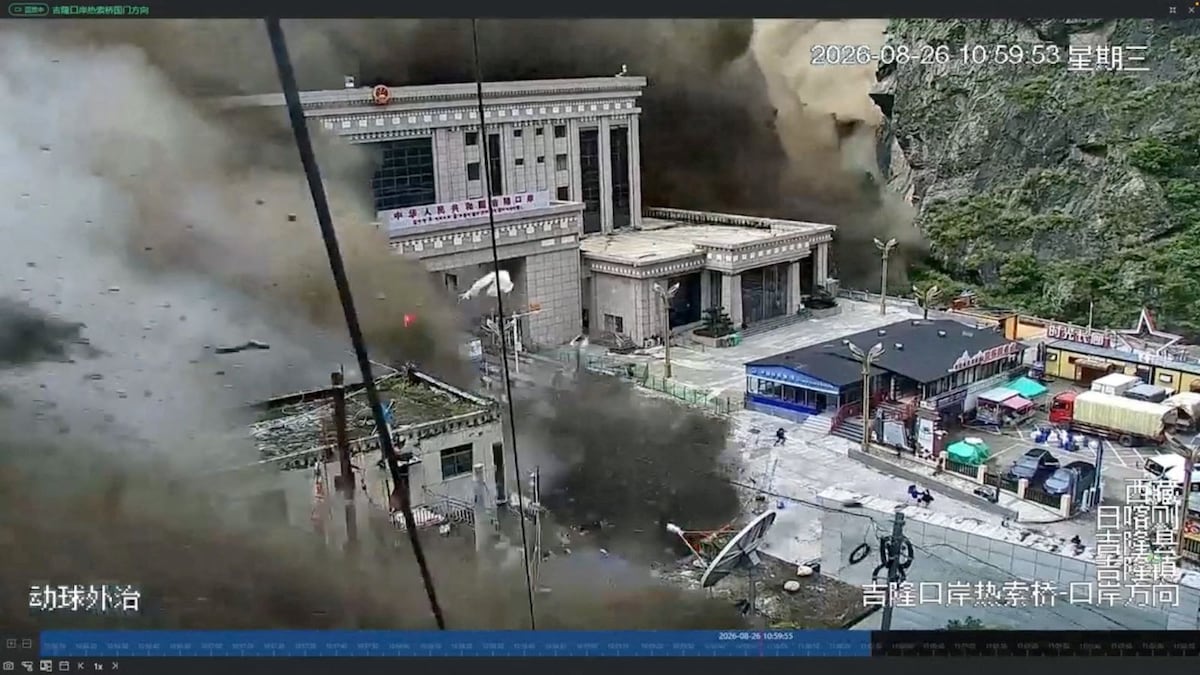
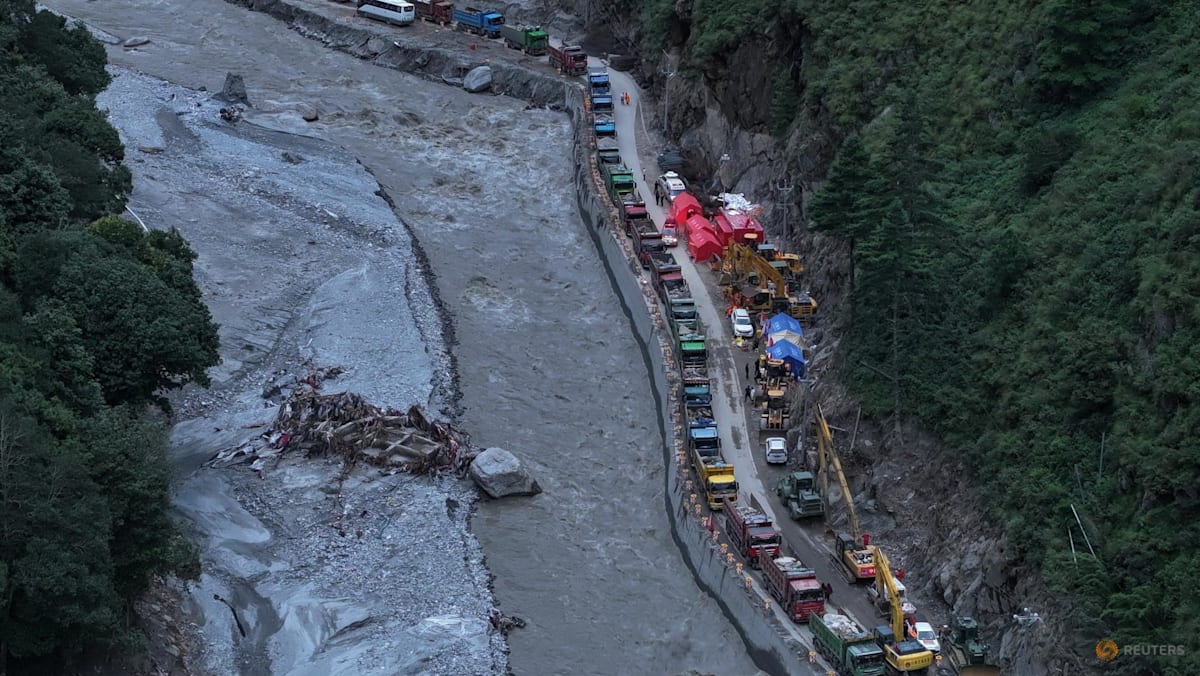
Natural disasters often reveal more than landscapes’ fragility. They expose the political systems that decide which tragedies are acknowledged, minimized, or erased. The recent floods along the Nepal–Tibet frontier—particularly in Rasuwagadhi and the surrounding border settlements—have become a stark illustration of how environmental catastrophe can be transformed into a contest of narratives.
In late August, torrential rains triggered landslides and sudden flooding across the high Himalayan corridor linking Nepal and the Tibetan Autonomous Region. Roads collapsed, bridges were swept away, and entire clusters of homes vanished under mud and water. Nepal’s Home Ministry later reported at least 903 confirmed deaths and over 4,200 people missing, a figure that continues to evolve as rescue t...




 (1).jpg)
 (1).jpg)
 (1).jpg)
 (1).jpg)