

.png)
Delegates from 196 nations plus EU officials have met in Mongolia to discuss how best to tackle drought and desertification.
Often overlooked by the larger and busier climate summits, this small UN desertification summit, known as Cop17, felt more important than ever. Yet countries still could not agree on what needs to be done.
Negotiations that were often inconclusive and frustrating continued until 4am on some nights. The closing plenary was gavelled to a conclusion on August 29 at 2.36am.
The issue of drought split the negotiation room from the start. On behalf of the African Group and Togo, South Africa pushed a legally binding global drought protocol. The UK, Australia and Cook Islands rejected a binding instrument. India and Suriname wanted flexibility and country-driven design, not a one-size-fits-all approach.
After days of bilateral consultations with the summit presidency, some form of agreement was announced — a deferral, not a resolution. This debate will continue at the next UN desertification summit, due to take place in Egypt in 2027.
Much of the UK has been struggling with severe droughts, empty reservoirs and hosepipe bans following its hottest summer since records began in 1884. Indeed, 71.3% of England is still in drought now.
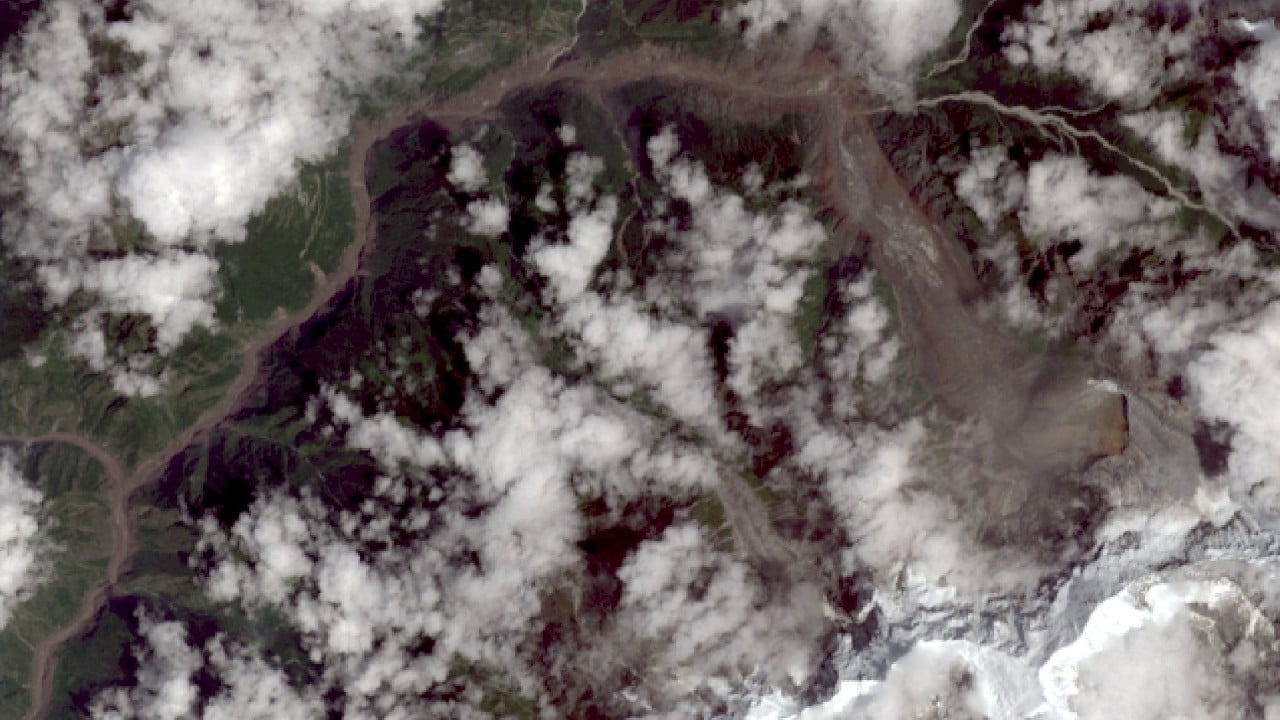
Across the world, every continent – even Antarctica – is dealing with drought or flooding in some form due to climate change. In August, a devastating wall of mud, rock and water swept through the Nepal-Tibet border region following a glacial collapse. The death toll continues to rise after flash floods resulting from this rock-ice avalanche in the Himalayas.
During Cop17 in Mongolia, everyone agreed drought was a serious problem. But countries got stuck arguing about what kind of promise to make about it.
They disagreed on three things. First, how strict the promise should be: a firm rule everyone must follow, a gentler agreement, or just voluntary goals each country sets for itself. And second, how to describe the problem: is drought hitting the whole world equally, or something that hurts some places much more than others?
The final question — which is connected to the second — is whose job is it really to deal with this issue? Should there be one big global agreement binding everyone, or should each country be mainly responsible for handling drought within their own borders?
SolutionsThe United Nations Convention to Combat Desertification (UNCCD) is often described as the global community’s legal instrument for land. It is the only legally binding international framework set up specifically to address desertification, land degradation and drought.
Its history can be traced back to the 1970s, when discussions around desertification heightened in the aftermath of severe drought in sub-Saharan Africa, which killed more than 200,000 people and millions of animals.
The UNCCD was formally established in 1994 following the introduction of three major conventions. These were set up during the UN’s Earth Summit in Brazil in 1992, and are known as the Rio conventions. Aside from land, the other two annual Cop summits focus on tackling biodiversity and climate.
Read more: The climate and biodiversity crises are entwined, but we risk pitting one against the other
But climate, biodiversity and land are one interlocking problem. Degraded land releases carbon and worsens climate change; a hotter climate dries out soil and drives drought and desertification; and biodiversity loss strips ecosystems of the very functions that hold water and hold soil together.
Yet the treaties that govern them often run on separate tracks, each with separate secretariats, national focal points, reporting systems and rules.
This is the fragmentation that negotiators in Mongolia kept bumping into. Tellingly, the word “synergies” (shorthand for making the three conventions talk to each other) was one of the agenda items the US blocked at the start of the summit.
To solve this, I believe a two-fold approach is necessary. First, strengthening the capacity for advocates from movements could increase the scope for transformative political action. Second, legal clarity is urgently needed across the Cops.
Drought is a climate obligationDrought linked all three of the Rio conventions on climate, biodiversity and land. Yet at Cop17, negotiators fought over whether even to mention synergies.
The International Court of Justice (ICJ) had already given drought legal weight through the advisory opinion it published in July 2025. This treated the UNCCD as binding law, and therefore found the fight to combat drought and desertification to be legally intertwined with countries’ climate obligations.
The ICJ advisory framed drought as an issue that affects basic human rights, rather than simply being a misfortune. In other words, the court had already answered in law the question that people in the negotiating room in Mongolia could not resolve through politics.
While advisory opinions are not legally binding, they carry considerable legal authority and political weight – and often shape how international treaties are translated into domestic lawmaking, court decisions and implementation on the ground.
Yet that advisory opinion went unmentioned across the entire Cop17. I heard no mention of it during negotiations, at side events or in the pavilions. That silence was striking.
Susan Ann Samuel receives funding from UKRI Grant No. 2043 (PI: Viktoria Spaiser) and is supported by the University of Leeds - School of Politics and International Studies.




 (1).jpg)
 (1).jpg)
 (1).jpg)
 (1).jpg)